Thank you again for taking the time to meet with us. I enjoyed getting to know you and Sarah and learning more about Verve Culture.
Verve Culture is exactly the kind of brand we love. You have a unique product, a real story behind it, and a brand that doesn't feel manufactured. That's becoming harder and harder to find.
The opportunity isn't building a different brand. It's making sure the marketing catches up to everything you've already built.
The way Meta works today is fundamentally different than it was even a year ago. AI has changed how campaigns are built, how creative is tested, and how advertising scales. Unfortunately, a lot of agencies are still using yesterday's playbook, and I think that's exactly what's happening here.
That's what this proposal is about. Not tearing everything apart. Not starting over. Just showing you where we see the opportunities, how we'd approach them, and why we believe Verve Culture is capable of much more than it's getting today.
Whether we end up working together or not, I hope it's helpful.
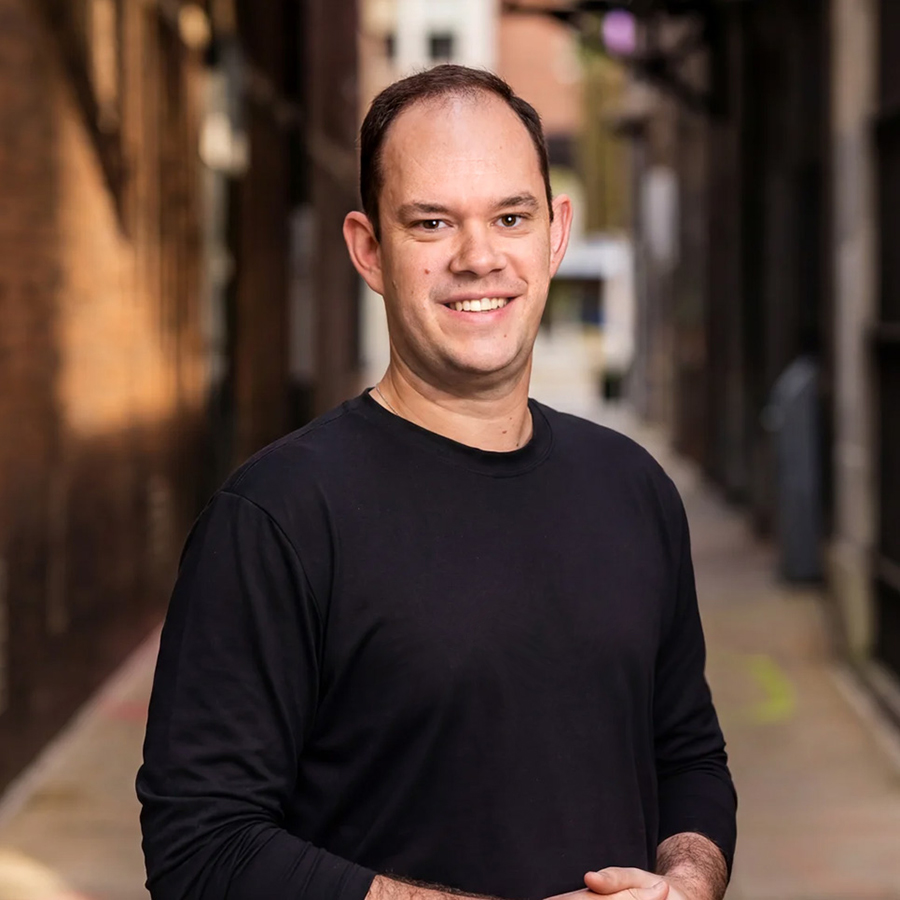
Andrew Lamping
FOUNDER & CEO, CYCLONE SOCIAL
What We Heard
The numbers you shared, read back to you.
Four things stood out on the call. Tap any one for a quick note on what it tells us.
5MER
Marketing efficiency ratio across the account
2Meta ROAS
Currently reported inside the ads platform
You mentioned a specific ROAS reporting oddity: purchases showing up in Meta with no purchase value or ROAS attached. We looked at it. It's not privacy or iOS tracking. If Meta couldn't track the purchase because of privacy settings, the purchase likely wouldn't appear at all.
What's actually happening: Meta is counting the purchase, but the order value isn't coming through with it. That's a tracking setup issue, not an attribution one. A few things to check:
1. Open Meta Events Manager and go to the Diagnostics tab for your pixel. Look for warnings about missing purchase currency or value parameters. If that warning is there, it confirms Meta is receiving the purchase event without the order amount.
2. Use the Test Events tool in Events Manager to run a test checkout and see whether the purchase value comes through in real time.
3. If confirmed, the fix happens in your site's tracking setup. Since Google Tag Manager runs across the site, whoever manages that setup needs to check how the purchase value is being sent to Meta.
One other thing worth remembering: at around 20 orders per day, ROAS for an individual ad naturally moves around a lot day-to-day. Even after this fix, look at ROAS over a full week rather than judging performance on a single day or single ad. And weigh the other engagement metrics alongside it.
Big picture: ROAS is an indicator, not a gospel data point. It tells us which creative touched sales, not which creative caused them. MER is the number that tells the truth.
$10K/mo
Current Meta ad spend, told you're too small to test
Testing volume is creative volume, not spend volume. In the Andromeda era, thirty creatives running on $10K generate more actionable signal in a week than six creatives ran on $30K a year ago. The blocker isn't your budget. It's whether your team can ship thirty on-brand pieces every two weeks and be willing to kill the twenty that miss.
Oct '25→ today
How long the same ads have been running
Under , ad creatives have a natural performance ceiling of about four to six weeks before the AI's audience model for that creative gets stale. Protecting an ad because "it has good comments" now costs you the account. The fix is a rolling test cycle where new creative replaces old on a schedule, not on nostalgia.
How Meta Actually Works Now
Three things that changed in late '25 and early '26.
Meta rewrote its targeting engine over the past few months. Most agencies are still operating on the old playbook. Here's the shift, in plain terms.
01
Andromeda changed the rules.
You used to pick the audience. Now the creative picks the audience for you.
See how
02
Your winning ad is capping the account.
Ads have a 4-6 week ceiling now. The one you're protecting is the one holding you back.
See the curve
03
$10K is enough. If you test right.
The lever isn't budget. It's how many pieces of creative you can put through the cycle.
See the cycle
The Plan
How we'd actually run Verve Culture.
Three phases across the first ninety days, and a working rhythm designed to keep decisions moving without meetings for meetings' sake.
Phase 01
First, we get grounded
Build the ground truth.
Full audit of Meta and Google. True MER modeled to your unit economics. Ad account restructured for proper testing. First batch of new creative shipped.
Inside phase one
Phase 02
Then, we run the cycle
Run the cycle. Prove the model.
Iterative creative cycles live. Andromeda testing at full volume. Target MER of 7.5 established and defended. Winners scale, losers die fast.
Inside phase two
Phase 03
Next, we scale
Scale into what's earning.
Budget expands as MER earns above target. Winning formats amplified across new audiences. New platform tests introduced. Quarterly business reviews with Andrew.
Inside phase three
Working Rhythm
How we'd work together, week to week.
Daily
Direct contact
Emily is your primary point of contact. Ryan steps in for anything bigger picture. Always available via email, text, or call, and we can spin up a shared workspace if you want one.
Weekly
Team check-in
Standing meeting with Emily and the working team. Where we are, what shipped, what's next.
Monthly
Surgical review
Not a dashboard drop. We walk through the numbers together, point out what matters, and decide the next moves in real time.
Quarterly
QBR
Full business review with everyone involved. Andrew on the call. MER trajectory, strategic direction, what the next quarter looks like.
The Team
Creative is the engine. Specialists make it perform.
Marketing today is driven by creative. That's why we've invested over a quarter million into a full in-house production team, with the people, equipment, and systems to produce content most agencies can't. Around that engine sits a team of specialists across paid, lifecycle, organic, strategy, and design. One roof, faster collaboration, always improving.
Lunazul Tequila · brand spec video
Your Team
Who'd actually touch your account.
Not the pitch team. The people whose names show up on every email, call, and creative review from day one.
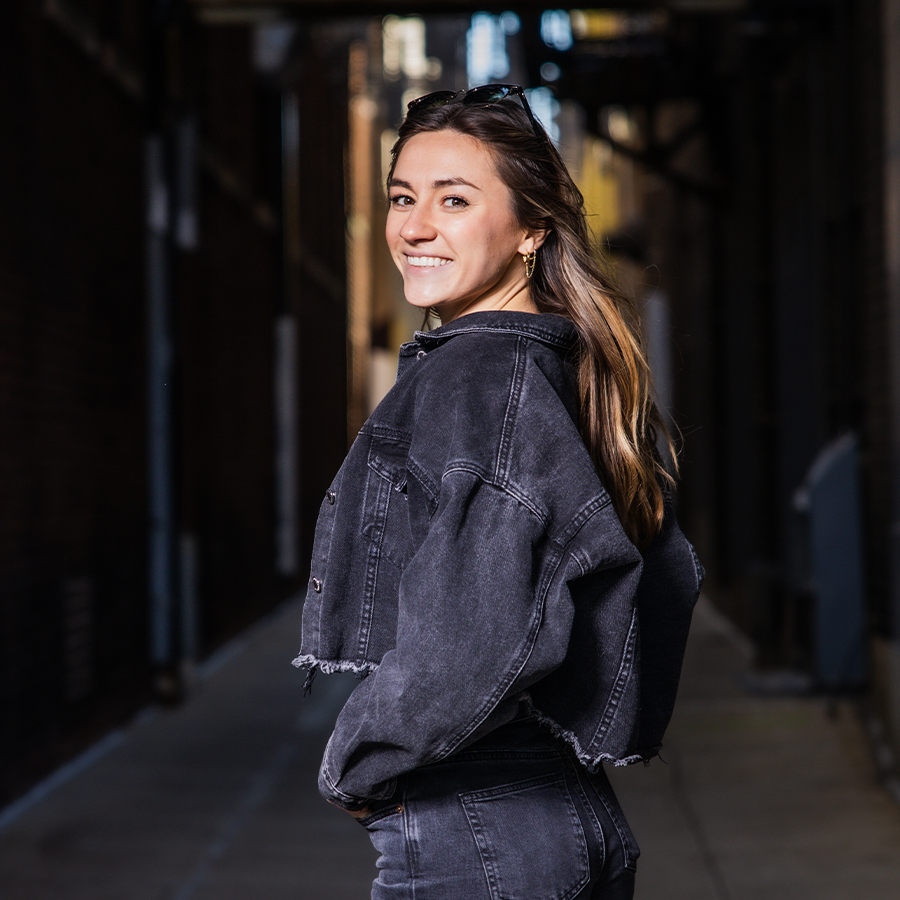
Emily Hoffman
Senior Account Manager
Your day-to-day lead
Amelia Kline
Social Media Specialist
Amaya Pratt
Social Media Specialist
Jada Shaw
Project Manager
Wes Teska
Creative Director
Eric Hall
Director of Paid Digital
Joey Lamping
Paid Media Strategist
Ryan Smith
Director of Marketing Ops
Case Study
A luxury home accessory brand, same playbook.
Different product, same customer. DECOtv Frames sells hand-finished frames for The Frame TV to design-conscious homeowners who care how things look on their wall. It's the same buyer psychology as a Verve Culture juicer or a hand-blown glass set. What we're showing here isn't the product overlap. It's the pattern: what happens when a beautiful brand at a mid-range budget gets the Andromeda cycle running correctly.
155%
GROWTH IN META REVENUE, FOUR-DAY CAMPAIGN
"Cyclone pulled a rabbit out of a hat. I thought Meta was never going to turn back around and they proved me wrong."
— ROD MCKENZIE, CMO, DECOTV FRAMES
Investment
One number. Everything included.
Full takeover of Verve Culture's growth marketing. Same team, one price, no line items you have to chase.
Full Engagement
Verve Culture × Cyclone
Paid media, creative production, organic social, email, SMS. The whole engine, run by the team above.
$6,000/mo
RETAINER, 90-DAY MIN, MONTH-TO-MONTH AFTER
Full Meta and Google ad management
Creative built in whatever volume the strategy requires
In-house photo, video, and design production
Influencer, creator, and brand collaboration when it fits
Organic social across Instagram, TikTok, Pinterest
Klaviyo email and SMS builds and flows
Weekly reporting, monthly strategy call
Kill-switch protection on ROAS floor
Direct access to Emily, Ryan, and the working team
Ad spend sits outside the retainer and stays yours. Start where you are at $10K/month, scale into whatever MER we can prove. See ad management fee →
What Happens Next
If you say yes, here's how fast we move.
1
Step One
Kickoff with Emily and Ryan
The two people who'll own your account get you set up. Access, intake, priorities, and the shape of the first month of work.
2
Step Two
All-staff introduction
You meet the full team who'd be touching your account. We meet you and Sarah. Faces to names, and everyone gets on the same page.
3
Step Three
First strategy presentation
We walk you through the plan for the upcoming quarter and the outline for the year. You approve, adjust, or send us back to sharpen it.
4
Step Four
Get going
First creative into production, ad account restructured, first testing wave live. This can happen fast.
Thank you for reading this far.
Whether we end up working together or not, we hope this was useful. Verve Culture is a special brand, and we'd be lucky to help build what comes next.
Understanding how retention supports long-term growth.
During the first phase of the engagement, we complete a comprehensive assessment of your lifecycle marketing. The goal isn't simply to redesign emails or improve open rates. We want to understand how email contributes to revenue, customer retention, lifetime value, and the overall customer experience, so every recommendation is tied back to business impact.
01
Revenue Performance
We'll evaluate
Email contribution to total revenue
Flow vs. campaign revenue
Revenue per recipient
Revenue per subscriber
Revenue by lifecycle flow
Repeat purchase contribution
Benchmarks we compare against
Email revenue as % of total revenue
Flow revenue typically 60-80% of email revenue
Revenue per recipient trends over time
What this helps us understand: whether email is operating as a true retention channel or simply sending promotions.
02
Lifecycle Automation
We'll review
Welcome Series
Browse Abandonment
Cart Abandonment
Checkout Recovery
Post Purchase
Winback
VIP / Loyalty
Referral opportunities
Questions we ask
Which automations drive the majority of revenue?
Where are customers dropping off?
Which opportunities are missing entirely?
03
Deliverability & List Health
We'll review
Inbox placement
Spam complaints
Bounce rate
Unsubscribe trends
Domain authentication
List growth vs. decay
Engagement health
Signals we're watching for
Whether deliverability or list quality is quietly limiting revenue. Small issues here compound over months and can invisibly cap your email revenue ceiling.
04
Segmentation & Personalization
We'll evaluate
New vs. returning customers
VIP customers
Purchase history
Product interests
Geographic segmentation
Engagement-based targeting
Personalized experiences
The goal
Ensure the right message reaches the right customer at the right time. Verve Culture's product range spans cultures and price points, which makes segmentation an especially powerful lever.
05
Creative & Brand Experience
We'll review
Visual hierarchy
Photography
Mobile experience
Storytelling
Calls to action
Brand consistency
Luxury positioning
The goal
Make sure every email strengthens the brand while moving customers toward purchase. The aesthetic you've built is already an asset. We want to make sure it's earning.
06
Testing & Optimization
We'll evaluate
Subject line testing
Creative testing
Offer testing
Send frequency
Reporting methodology
Optimization roadmap
The goal
Build a repeatable testing framework instead of relying on assumptions. Every send becomes a learning opportunity, not just a broadcast.
A look at Verve Culture's emails so far
We've already started reviewing your past emails from a creative standpoint. There are a couple hundred archived on milled.com/verveculture and we've been working through them. Without Klaviyo access we can't see the backend performance yet, so anything we'd say now is aesthetic-only. The real read comes once we're in the account. Tap any to view full size.
What You'll Receive
Executive summary of findings
Business-focused recommendations
Benchmark comparisons
Lifecycle roadmap
Prioritized opportunities ranked by impact
Implementation plan for the first quarter
Every recommendation is prioritized by business impact, helping us focus first on the opportunities most likely to improve revenue, retention, and long-term customer value.
Phase 01 · Foundation
Build the ground truth.
Before we spend a dollar or ship a single new ad, we build a real picture of what's actually happening in the account. Most of what any agency has told you about performance is a partial view. We're going to correct that.
First, we get access and get grounded. Full audit permissions on Meta, Google, Klaviyo, and Shopify. Emily runs discovery calls with you and Sarah. Wes leads brand immersion with the creative team, working through your photography library, product priority list, and story arcs by culture (Morocco, Thailand, Mexico, India, Italy).
Then, Eric and the paid team reconcile the numbers. Meta reporting gets cross-checked against Shopify actuals, with wholesale channel data layered in. We build your true MER model against real unit economics. You get a clean north-star number, not the platform-reported fiction. Joey audits every ad currently live and delivers a kill list.
Next, we restructure the ad account itself. The way your account is set up matters more than most people realize. Campaigns need proper spend allocation, and ad sets need to be organized by creative type rather than audience (Andromeda changed that too). If we don't fix the structure first, no amount of new creative will perform. This happens fast, usually inside the first two weeks.
Also in Phase 01 · Click to explore
Email & Lifecycle Assessment
A full look at how your lifecycle marketing contributes to revenue and retention.
Open →
Then, first creative goes into production. Wes and the creative team ship the first batch of new work across your priority collections. Old ads sunset. Kill switches installed on stale campaigns. First testing wave begins under Andromeda.
What you'll have coming out of Phase 01: a real MER baseline, a properly-structured ad account, a lifecycle roadmap, a stack of new creative in market, and a working relationship with the team that owns the number.
Phase 02 · Iteration
Run the cycle. Prove the model.
Phase 2 is where the Andromeda engine goes to work at full speed. Rapid creative cycles, verdicts in hours, kill decisions same-day. This is the phase where your MER starts climbing.
The cycle itself. Brief on day one. Shoot midweek. Edit and design end of week. Live by cycle-end. As we learn what's hitting, batch sizes grow. Andromeda gives verdicts within 48 hours. Losers die. Winners iterate. Then we start the next cycle.
MER discipline. Weekly MER check. If we're above 7.5, we quietly open budget. If we're below, we do not lower spend first. We iterate creative faster. Spend only comes down as a last resort because scaling requires momentum you don't want to break.
Creative range expands. Once we've established a baseline, we introduce format tests: cultural storytelling reels, UGC-style from creators Amaya sources, static product hero moments, and lifestyle carousels. Each format tested against your baseline, only the top quartile scales.
Email and organic layer in. Klaviyo flows optimized against the winning ad angles so the whole customer journey stays consistent. Amelia's team runs organic in the same voice as the paid creative, so someone who lands from an ad and clicks to Instagram sees the same brand energy.
What you'll have coming out of Phase 02: a defended MER at target, a documented creative playbook of what works for Verve Culture specifically, and enough performance data to make the scale decision with confidence.
Phase 03 · Scale
Scale into what's earning.
Once MER holds at target for a few consecutive cycles, phase 3 begins. This is where budget expands, formats amplify, and we start layering in the growth vectors that only make sense when the foundation is stable.
Budget scaling. As MER earns above 7.5, we propose incremental spend increases in defined tranches. Every increase gets its own performance review. If the added spend degrades MER below 7, we pull back and iterate. You approve every scale step. Nothing surprise-happens on your card.
Format amplification. Winners go multi-audience, multi-format. A creative that hits with Morocco enthusiasts gets tested against Italian food buyers. A UGC piece that wins on Reels gets rebuilt for TikTok Spark Ads.
New platform tests. Reddit for the niche home-goods communities. Pinterest for high-intent gifting. Google Shopping expanded past current SKUs. Each new channel gets a defined test budget and a kill date if it doesn't earn.
LTV work. First-purchase acquisition is one lever. Second purchase and repeat rate are bigger ones. We build post-purchase flows, sampling programs, and category cross-sell campaigns to compound the MER we've already earned.
Quarterly with Andrew. Every quarter, Andrew joins a working session with you, Sarah, and the account team. MER trajectory, strategic direction, upcoming risks, and where the next 12 months should point.
What Phase 03 looks like over the long run: a defended MER, a repeatable creative operation you can plan around, and a growth engine that isn't dependent on any one platform, agency, or hero product.
Ad Management Fee
A percentage of ad spend. Nothing else.
Our management fee scales with your ad spend. The more you spend, the lower the percentage. No flat fees, no hidden line items.
$5,000 to $9,99920%
$10,000 to $49,99915%
$50,000 to $99,99910%
$100,000 and up8%
A quick note on billing: the monthly retainer is invoiced before the month begins. The ad management fee is invoiced after the month ends, based on actual spend managed. That way you're only paying a percentage on ads that actually ran.
The North Star
MER, the only number that tells the truth.
ROAS lives inside one platform. MER lives across your whole business. When someone sees your ad on Instagram, googles Verve Culture, then buys through Bloomingdale's drop-ship, ROAS shows nothing. MER catches it. That's why we anchor to MER and let ROAS play a supporting role.
MER = Total Revenue ÷ Total Marketing Spend
Calculate your target MER
Your target MER isn't a guess. It's math against your unit economics. Adjust the numbers below to see what your target looks like based on your actual costs. Everything recalculates as you type.
All figures per order. Just numbers, no need for dollar signs.
Average order value What a typical order rings up as
Product cost COGS per order
Payment processing Typically 2-3% of AOV
Shipping to customer Blended shipping cost per order
Fulfillment labor Pick, pack, ship time cost
Contribution margin26 (43%)
Overhead allocation Rent, salaries, ops, per order
Target net margin What you want to keep, per order
Available for marketing per order8 (13%)
Your target MER
7.5× MER
Anything below your target means you're funding growth from your own margin. Anything meaningfully above it means you're leaving demand unclaimed. That's the whole conversation, in one number.
How to use MER as your north star
MER 1 to 3
Burning
Every ad dollar is eating margin. Kill underperforming creative fast. Do not scale spend.
MER 4 to 6
Neutral (where you are)
Sustainable but not profitable. Growth is funded from margin. Iteration is the only exit.
MER 7 to 8
Target
Hitting profit goals. Hold spend steady, keep iterating creative to defend the number.
MER 9 to 12
Scale signal
Money on the table. Increase spend. Bring MER back to 7-8 with more volume.
The trap most brands fall into: MER climbs from 5 to 7 to 9 and they celebrate the higher number. What they should do is spend more. A rising MER at flat spend means the market wants more of you than you're offering.
How we'd manage MER for Verve Culture
Month one is a baseline. We reconcile Meta reporting against Shopify actuals, layer in wholesale attribution, and lock in your true MER. We set your target at 7.5 based on the math above. Weekly, we watch trend. When we cross above target, we open budget. When we drop below, we iterate creative before we touch spend. Spend only comes down as a last resort, because scaling requires momentum you don't want to interrupt.
01 / How Meta Works Now
Andromeda changed the rules.
Andromeda is the AI engine behind Meta ads right now. It's the algorithm that decides who sees what. Late 2025 and early 2026 changed everything for Meta advertising.
Before this shift, running Meta ads meant picking who to target. You'd choose age ranges, interests, income brackets, zip codes. You'd upload email lists, build lookalike audiences, layer in the pixel. The creative was decoration. The targeting was the strategy. That's still available inside Meta. It's just dumb to do now.
Andromeda flipped it. The AI now finds the audience using tens of thousands of data points you don't need to configure. It looks at signals like "I bet this person wants to buy a surfboard tomorrow, and this company sells surfboards, let me connect them." It doesn't need you to tell it whether the buyer is male or female, what they make, where they live. That's the guessing game the old model made you play. Andromeda skips it.
The AI learns from the creative, not the targeting
If we sell wake surfboards for young guys, we don't tell Meta to target 17-24 year old males. We put a 19-year-old dude on a wake board on a lake in the ad, and Andromeda reads the image and figures it out. Guy on a board, water, boat wake, warm environment. It targets accordingly. This is why bad creative doesn't just underperform now, it actively mistargets.
We had a cornhole brand where a model happened to be wearing a fishing brand shirt in one ad. Andromeda targeted fishermen for two days before we caught it. Your creative brief is now your targeting brief.
The three signals every ad must send
To make Andromeda work for you, every creative has to answer three questions in the first three seconds:
It's for me. The viewer needs to recognize themselves in the ad. Real people, matching environment, correct life stage.
I know exactly what this is. Meta needs to categorize the product correctly. If it's a hand-blown glass, show it being used as a glass. If it's a Moroccan basket, show it doing what a basket does.
I trust this brand. Production quality, real customers, credentials, awards. Trust isn't one format, it's a signal. Andromeda reads engagement as quality and expands delivery.
Where accounts break: budget allocation
The other Andromeda shift most agencies miss is how the ad account itself is structured. Every account has three levels: campaign, ad set, ad. Think of it like folders inside folders. Before Andromeda, budgets were set at the campaign level and ad sets were audience-based. That's now backwards.
The right way now: ad sets get organized by creative type (B-roll videos, statics, carousels, before-and-afters), and budgets get set at the ad set level, not the campaign level. That lets you test creative types head-to-head without Andromeda cannibalizing the budget onto whatever it decided was "the winner" 20 minutes into the campaign. The DECOtv account you saw earlier was a case study in this: their old agency ran everything at campaign level and Andromeda kept pouring spend into one creative before others could prove themselves. Restructuring the account was the single biggest change that turned it around.
What this means for Verve Culture: your creative isn't decoration anymore, it's the targeting itself. And how your ad account is structured determines whether Andromeda has room to test at all. Both need to be right. That's Phase 01 for us.
02 / How Meta Works Now
Your winning ad is capping the account.
You mentioned your current agency protects certain ads because they've accumulated engagement (comments, likes, shares). That logic worked in 2023. It costs you money in 2026.
Under Andromeda, every ad has a natural performance ceiling of about four to six weeks. After that, the AI has already found and served the audience most likely to convert on that specific creative. Continuing to run it means Meta is showing it to progressively colder audiences, and your ROAS falls off the cliff you see in the chart below.
What we'd do differently: automatic kill-switches when ROAS drops below a defined floor, and a rolling cycle that replaces stale creative every two weeks. No ad lives past six.
The comments and engagement on those old ads aren't wasted. We can seed them into new creative through UGC-style formats. But protecting the ad itself past its performance window is the reason your account is stuck.
03 / How Meta Works Now
$10K is enough. If you test right.
Your current agency told you your budget is too small to iterate aggressively. Here's the math they were using: with $10K spread across six ads, each ad gets ~$1,600 to prove itself, which isn't enough signal. So you stick with the two that seem to work.
That logic assumes the six ads are all you're testing. The new model tests thirty to fifty at once, spends $200-400 on each, and lets Andromeda tell you within 48 hours which ten to double down on. The other twenty get killed. Two weeks later, another thirty. That's the cycle.
The bottleneck isn't spend. It's whether your creative team can produce thirty on-brand pieces every two weeks. Ours can. That's why we exist as one house instead of stitched-together contractors.
Your aesthetic doesn't break in this model. It gets refined by it. We start every cycle with a brief locked to your brand guide, and everything shipped stays inside it. What varies is angle, format, hook, and hero, not tone.
Case Study
DECOtv Frames, full story.
The brand. DECOtv Frames sells hand-finished frames for The Frame TV. Design-first, considered purchase, aesthetic buyer. Not a Verve Culture product, but a Verve Culture customer.
The setup. Down 23% year over year when they came to us. Previous agency had blown Meta compliance, ad account restricted, revenue tanking through spring.
What we did. Ran an emergency creative sprint. Shipped 100 pieces of ad creative in eight hours. Restarted the account cleanly, seeded Andromeda with a full range of angles, formats, and hero products. Killed 70% within the first week, scaled the 30% that hit.
The four-day campaign. Same budget as the prior year's version of the same seasonal event.
Results: 155% growth in Meta revenue, 155% growth in email revenue, 80% up in total Shopify revenue. $350K in four days on the same spend that produced roughly $135K the year before.
"Cyclone pulled a rabbit out of a hat. I thought Meta was never going to turn back around and they proved me wrong."
ROD MCKENZIE, CMO, DECOTV FRAMES
Why the pattern maps to Verve Culture. Same demographic (aesthetic-driven, higher income, considered purchase). Same "beautiful brand that has to stay beautiful" constraint. Same starting problem: creative volume was the bottleneck, not budget.